
The short version
The air suspension on a Mercedes is a closed system. The struts or air springs hold the car up, the compressor supplies pressure, and a valve block directs air where it needs to go. When the system is healthy, it holds pressure overnight. When it does not, something is leaking.
The most common cause is the air spring itself. The rubber bellows dry out and develop hairline cracks over time. The leak is slow, so the car drops gradually. By morning, you see the sag. The car levels itself once the compressor runs, which is why it drives fine during the day.
The second thing to check is the valve block. It sits between the compressor and the springs. If a valve sticks or the seals leak internally, air bleeds out of one corner or one side. That shows up as a lopsided car, not a full drop.
The compressor is less often the culprit, but it can be. If it runs too long trying to level a leaking system, it overheats and fails. That is why a sagging car should not be ignored. The leak kills the compressor, and then you have two repairs instead of one.
There is also the possibility of a cracked line or a bad fitting. Less common, but worth checking before replacing parts.
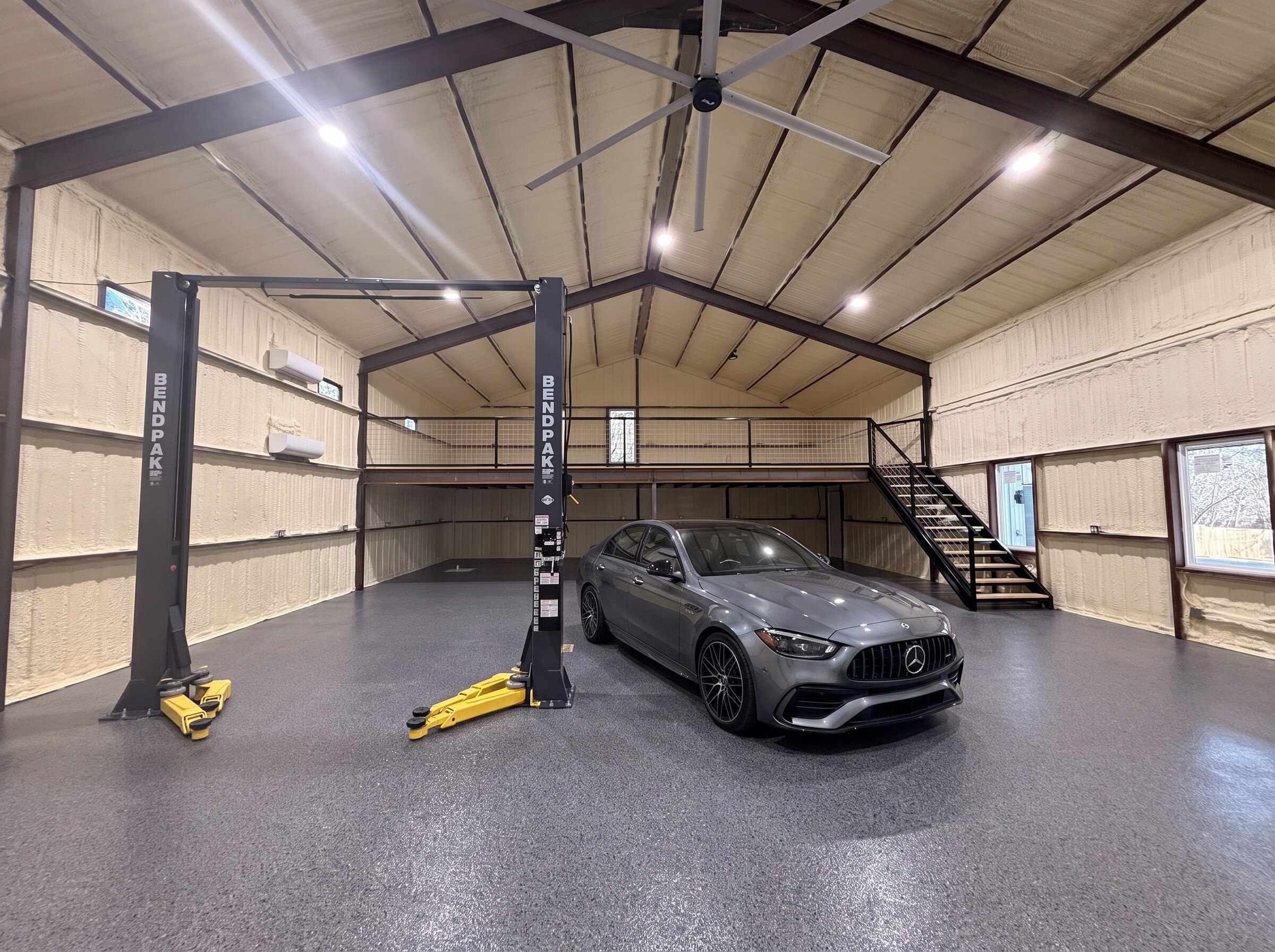
The honest answer is that a car that sags overnight has a leak somewhere. The job is finding where. That means putting the car on the lift, pressurizing the system, and looking at each corner. Sometimes the leak is visible. Sometimes it takes a careful leak test and some patience.
If the car only drops a little and holds there, you can drive it for a while. Watching it is a legitimate choice. But if it drops all the way down, or the compressor runs every time you start the car, that is when it is worth fixing before something else fails.
If you have a Mercedes sitting low in the morning, call with the year and the mileage. I will get it on the lift and tell you what is actually leaking before talking about parts.